

Why your business doesn’t need more leads — it needs better leads
Why your business doesn't need more leads — it needs better leads
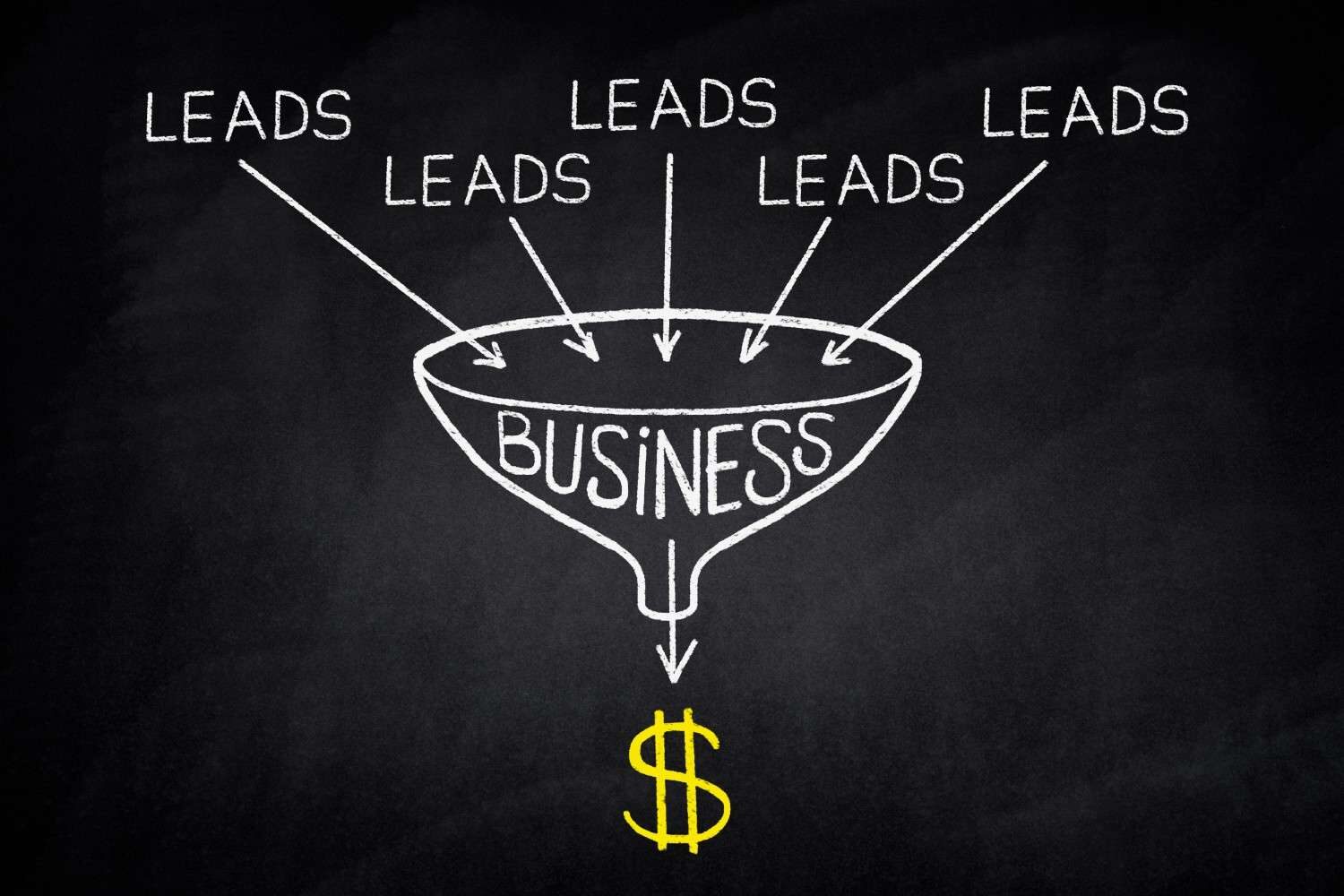
"We need more leads" is one of the first things a business owner says when sales feel slow. It sounds like the obvious fix. But before chasing more, it's worth asking a harder question: of the leads you're already getting, how many were actually worth the follow-up?
For most businesses, a large share of "leads" never had a real chance of becoming a customer. They clicked once, filled a form out of curiosity, or matched an audience that was never properly defined. Adding more of that doesn't grow your business — it just grows the pile your sales team has to sift through.
Here's what we see often: a business doubles its ad spend expecting double the sales, and instead gets double the enquiries — most of which go nowhere. The sales team spends more time chasing people who were never going to buy, follow-up gets slower for the leads who actually matter, and the business ends up convinced that "leads don't convert here," when the real issue was never volume. It was who was being targeted in the first place.
"More leads that don't convert isn't growth. It's just more work for your sales team with the same result."

Five signs your lead quality is the real issue
If sales feel slow despite a steady flow of enquiries, it's usually one or more of these — and each one points back to targeting and qualification, not lead volume.
Your audience is defined too broadly
"Anyone who might be interested" isn't a target audience — it's everyone, which in practice means nobody in particular. Broad targeting brings in a wide spread of people, most of whom were never a real match for what you sell.
There's no way to tell a serious enquiry from a curious click
Every lead lands in the same list, whether it's someone actively comparing options or someone who clicked out of idle interest. Without a way to separate the two, your sales team treats every lead the same way, which wastes time on the ones that were never going to close.
Follow-up happens in the order leads arrive, not the order they matter
When every enquiry looks the same on paper, sales teams default to first-come-first-served. A highly qualified lead from this morning can sit behind ten low-intent ones simply because of when they came in.
Campaigns are optimised to generate clicks, not qualified interest
If a campaign's only measure of success is how many people clicked or filled a form, it will keep bringing in exactly that — clicks and form fills — regardless of whether those people were ever a genuine fit.
There's no feedback loop between sales and marketing
Marketing keeps generating the same type of lead because nobody ever tells them which leads actually closed. Without that feedback, targeting never improves, and the same low-quality pattern repeats month after month.
Quick stats
What chasing volume is actually costing you
Chasing volume over quality doesn't just waste ad spend — it wastes the time of the people meant to be closing deals. Every hour spent following up with someone who was never going to buy is an hour not spent on the enquiry that was ready to convert. Over months, this quietly convinces sales teams that leads "don't work," when the actual problem was never fixed at the source.
"We didn't need more leads. We needed to stop wasting time on the ones that were never going to say yes." — what most businesses tell us once qualification is in place.
How Trionix Global fixes this
We don't start by turning up ad spend to bring in more leads. We start by making sure the leads coming in are worth someone's time.
We build targeting around your actual customers, not assumptions
Using real customer data, past buyers, and intent signals, we build audiences that reflect who actually converts for your business — not a generic description of "anyone who might be interested."
We use AI to qualify leads as they come in
Instead of every enquiry landing in the same list, AI-assisted qualification scores each lead based on behaviour, source, and fit, so your sales team knows immediately who to follow up with first.
We close the loop between what converts and what we target next
Which leads actually became customers feeds directly back into targeting, so campaigns get sharper over time instead of repeating the same broad approach month after month.

Chasing more leads vs. the Trionix approach to better leads
| Chasing More Leads | Trionix Approach to Better Leads |
|---|---|
| Broad audience, "anyone interested" | Targeting built from real customer data |
| Every enquiry treated the same | AI qualification scores leads by fit |
| Follow-up in order of arrival | Follow-up prioritised by likelihood to convert |
| Campaigns optimised for clicks | Campaigns optimised for qualified interest |
| No feedback from sales to marketing | Closed-loop data improves targeting monthly |
Getting more enquiries was never the hard part
- —Getting enquiries worth your sales team's time is what actually moves the needle.
Frequently Asked Questions
01Will improving lead quality mean we get fewer leads overall?
Often, yes — and that's usually a good thing. Fewer, better-matched leads typically convert at a much higher rate than a larger pool of unqualified ones.
02How does AI qualification actually work, in simple terms?
It scores each incoming lead based on behaviour, source, and how closely they match your past customers, so your sales team can see at a glance who's worth prioritising.
03Do we need a large amount of past customer data for this to work?
It helps, but it's not required to start. We can begin with available data and refine targeting further as more leads and outcomes come in.
04Will our sales team need to change how they work?
Not significantly. The main change is which leads they see first — the process of following up stays the same.
05How long before we see a difference in lead quality?
Most businesses start seeing a shift within the first few weeks, as targeting adjusts based on early qualification data.
Stop chasing volume. Talk to Trionix Global about lead quality.
Talk to Trionix